Italians in the Alpine Valleys
By Alex Mitchell
Why does Billy Button have so many Italian grape varietals in the range?
Because they are so representative of the history of Alpine Valleys as a wine region. They do well in the climate if the right varieties and clones are chosen. And they are delicious! And food friendly. And something new and different for many.
So …. Billy Button buys its grapes from local growers and some of them are of Italian heritage?
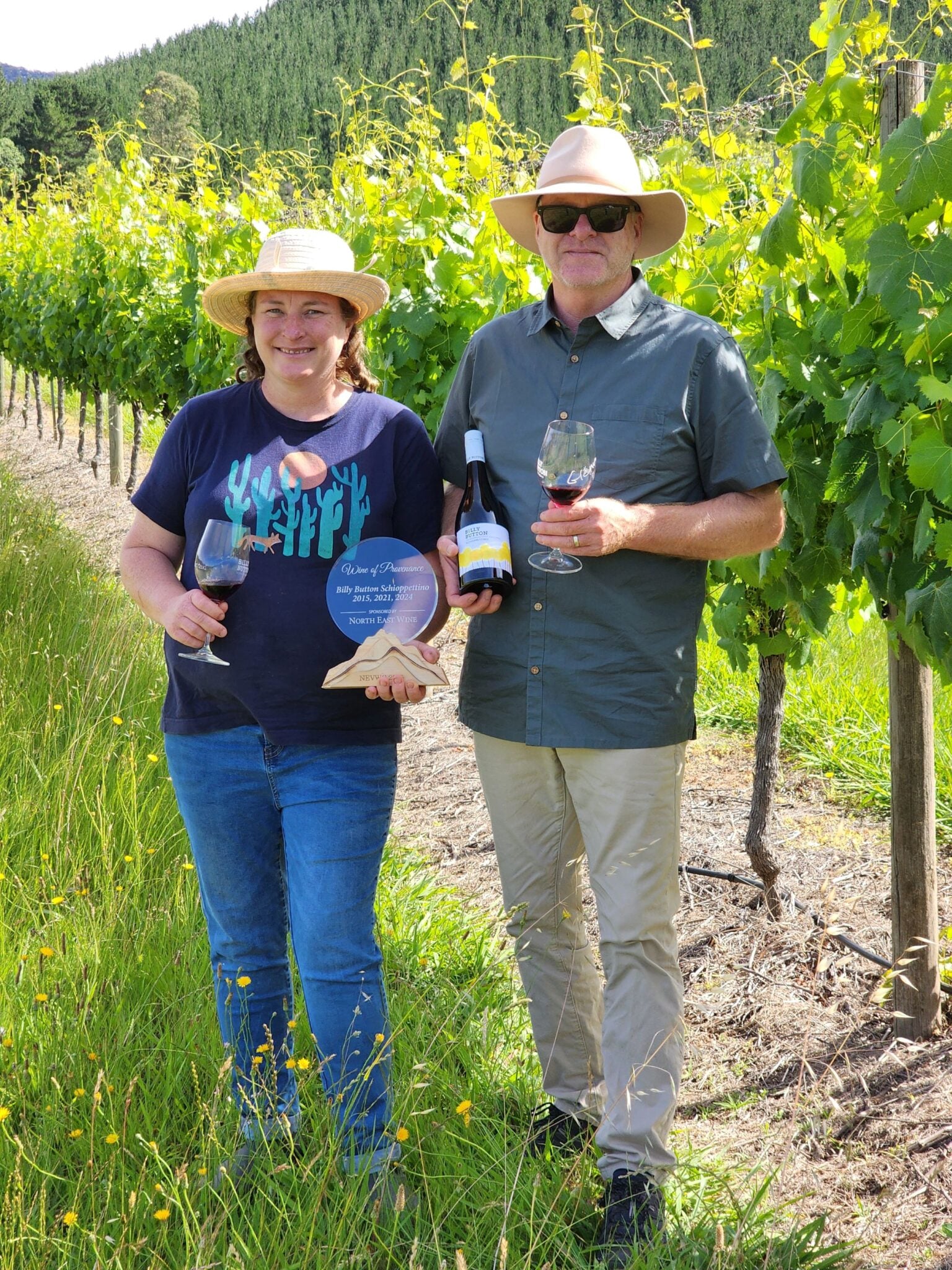
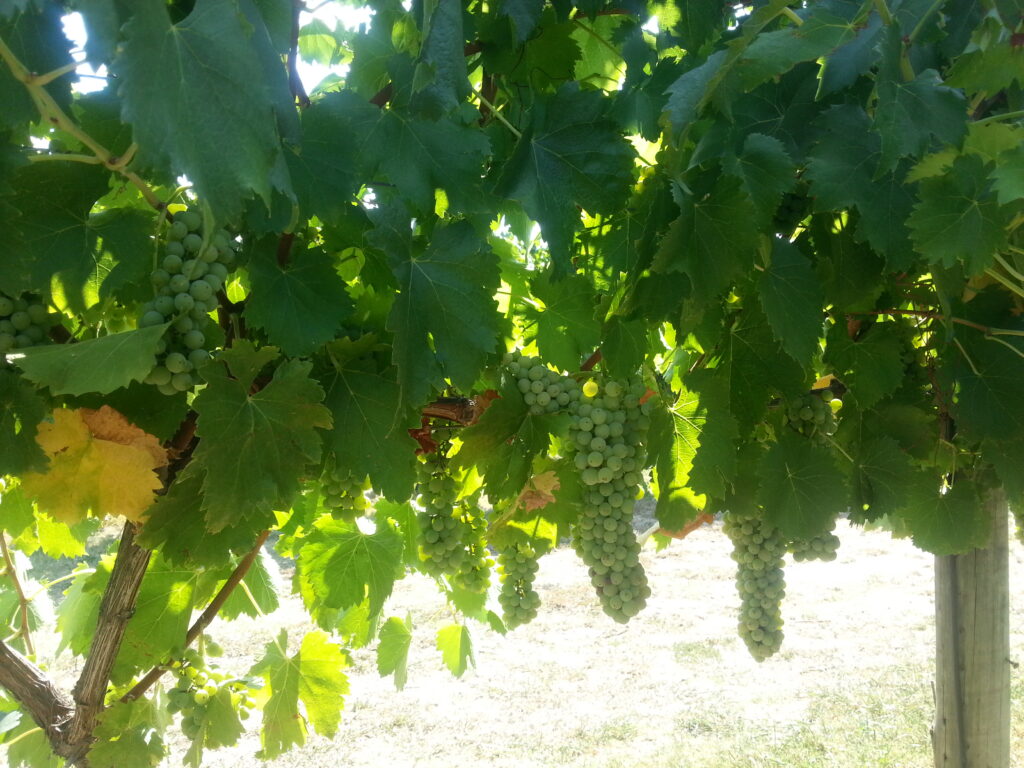
Indeed. Think Ferraro, Antonello, and Dalbosco. And fortunately, other growers in the area have gone with the flow and planted Italian varietals. We get Fiano, Pecorino, Refosco and Schioppettino from Greenacres Vineyard. From the Con Mara vineyard, Sangiovese.
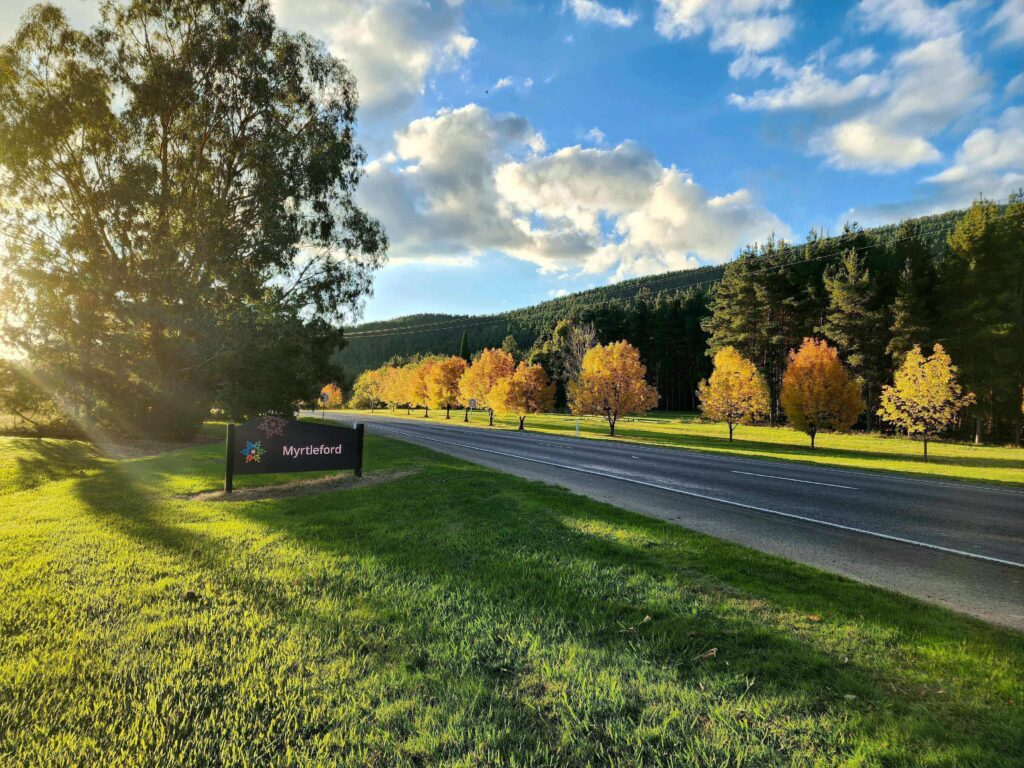
So why so many Italians?
During World War II, security became an issue for Australia. In order to house prisoners of war, regional camps were built. One of these was near Myrtleford. It opened in 1942 and originally consisted of tents and rough, temporary buildings. Many detainees were Italian officers, captured during the North African campaign, and brought via boat to Sydney and Australian shores. They boarded a train to Gapsted railway station and then travelled on foot to the camp.
At its peak, the camp contained nearly 1,000 prisoners. With local men away at war, the POWs began working on nearby farms, providing much needed labour and helping feed the locals. Their duties included farming potatoes and wheat, carting hay, and managing dairy herds. They were largely well liked by the locals but missed their homeland and had little communication with home.
When hostilities ended in Europe in May 1945, many Italians remained in the Alpine Valleys, where the landscape and the fertile soils recalled their homeland. The initial industry for many was tobacco farming. Ever wondered why there is a town called Smoko on the Great Alpine Road? The kilns used for drying the tobacco became iconic to the area – their high peaked structures punctuating the countryside. Several POWs fell in love with the local girls and settled.
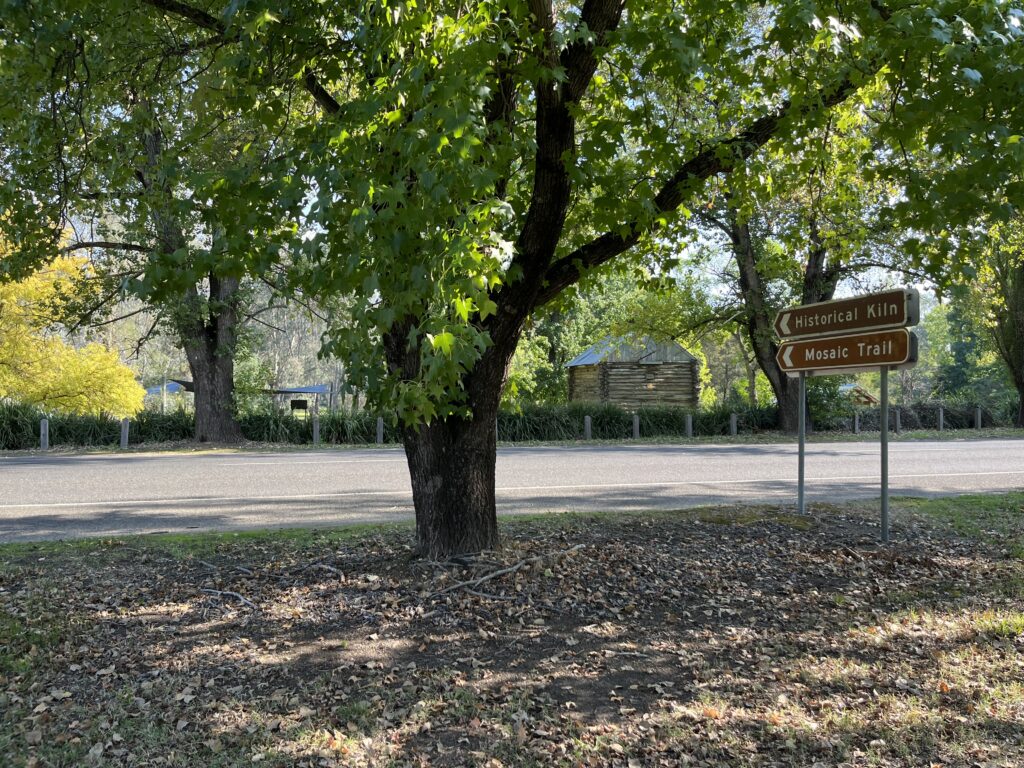
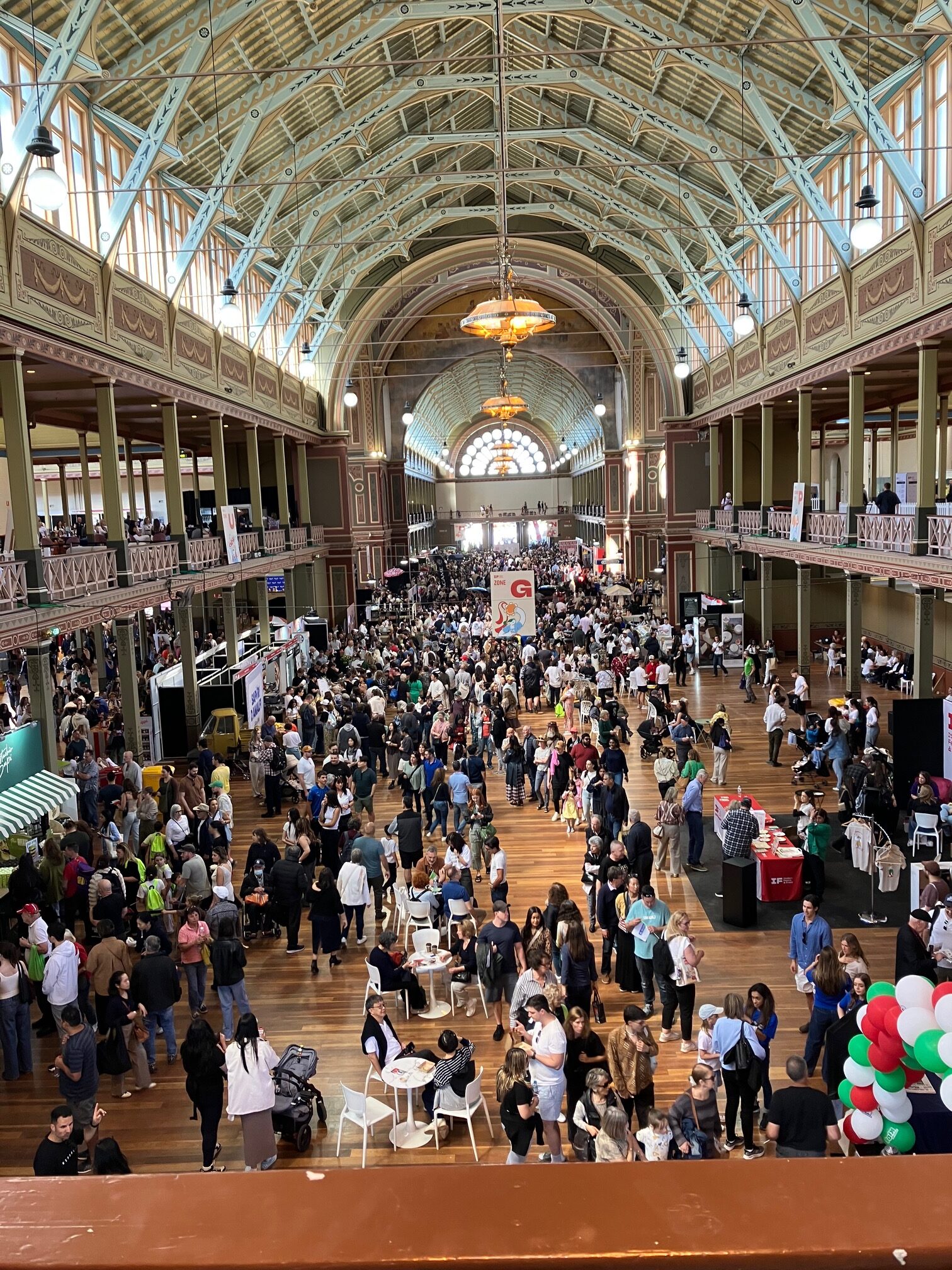
Timber was another major industry, as the roads were built and the economy expanded. When the tobacco industry declined, many turned their skills to grape growing. The Italians were missing wine – Australians were often drinking only sherry or beer. So they grew the vines and made their own wines. Gradually the King Valley became renowned for Italian varietals. The Alpine Valleys followed suit. Myrtleford embraced and absorbed the Italian culture, which is celebrated to this day with their annual La Fiera festival.
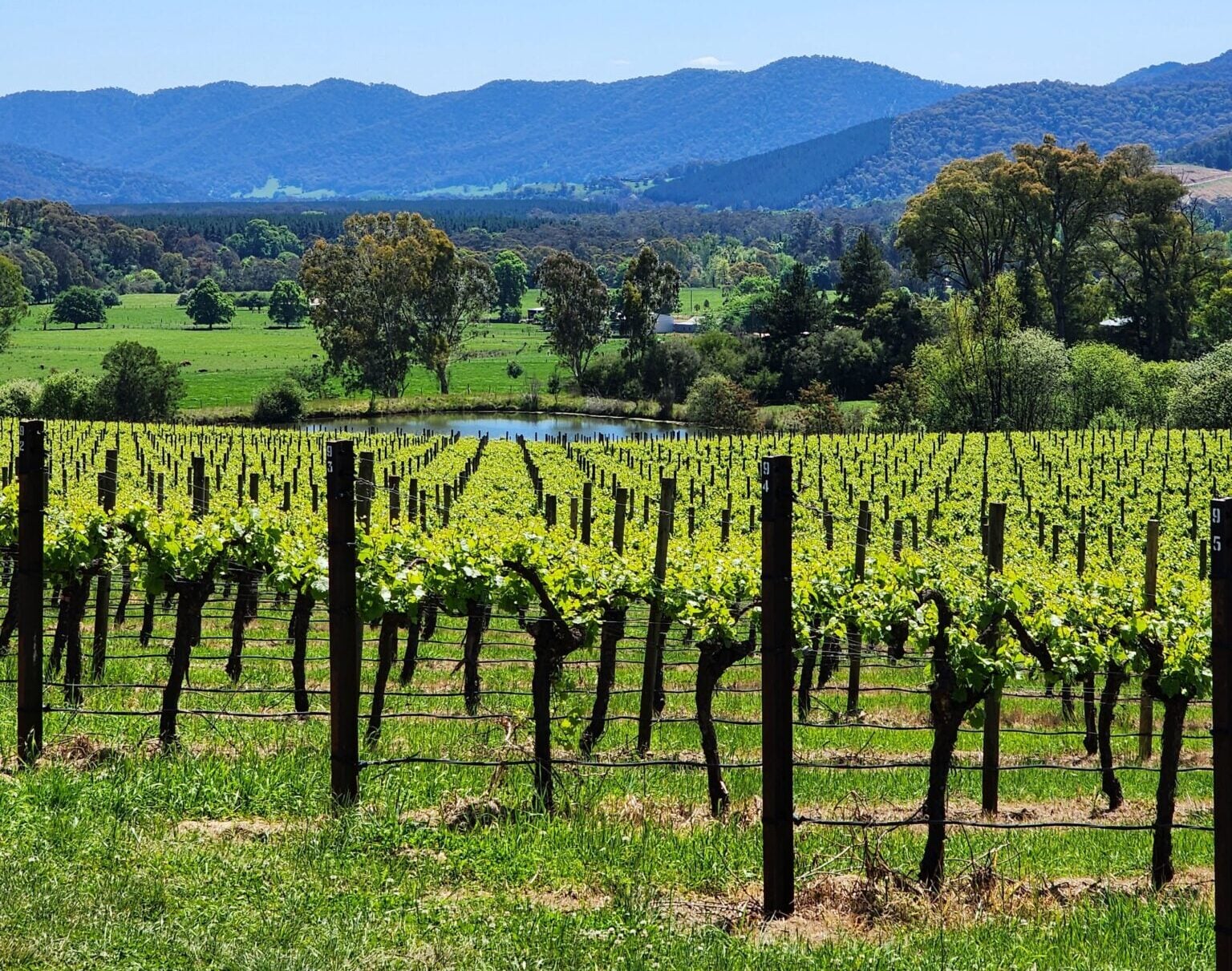
As alternative varietals became increasingly popular over the 1990s, growers and winemakers became increasingly confident in and intrigued by the potential of Italian grapes. They continue to explore the suitability of these to Australian conditions. Billy Button is proud to work with and encourage local vignerons. Next time you travel to the Alpine Valleys, look out for the silhouettes of the old tobacco kilns, and the pristine vineyards thriving against the backdrop of the alps. While visiting the region, drop in and see us at our Bright cellar door and try something you’ve not tried before. There’s bound to be something new for even the most discerning of wine palates to explore!